BOOK PROMOTION HELD FOR WHO'S AFRAID OF STORKS? BY JUDITH BUTLER
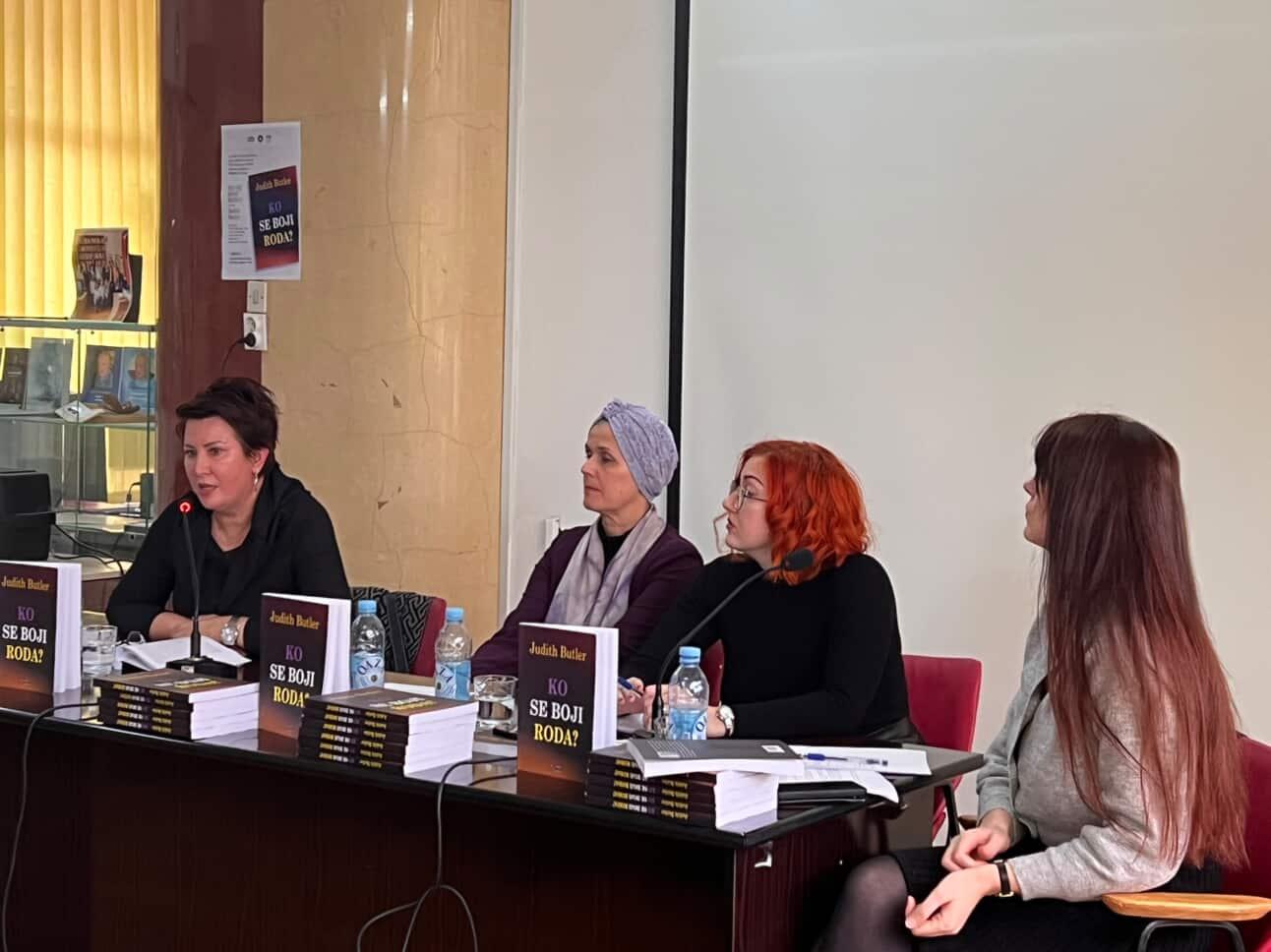
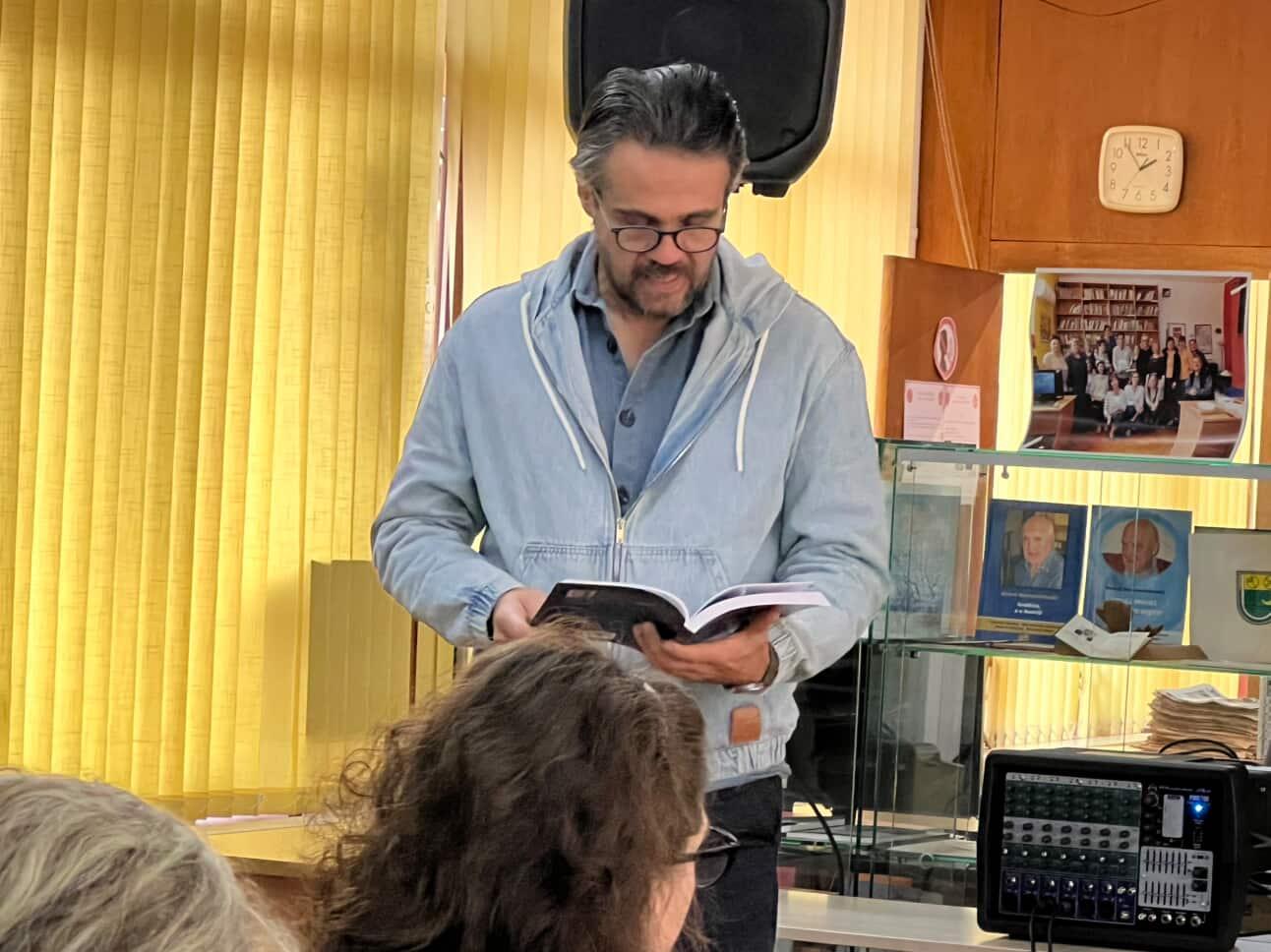
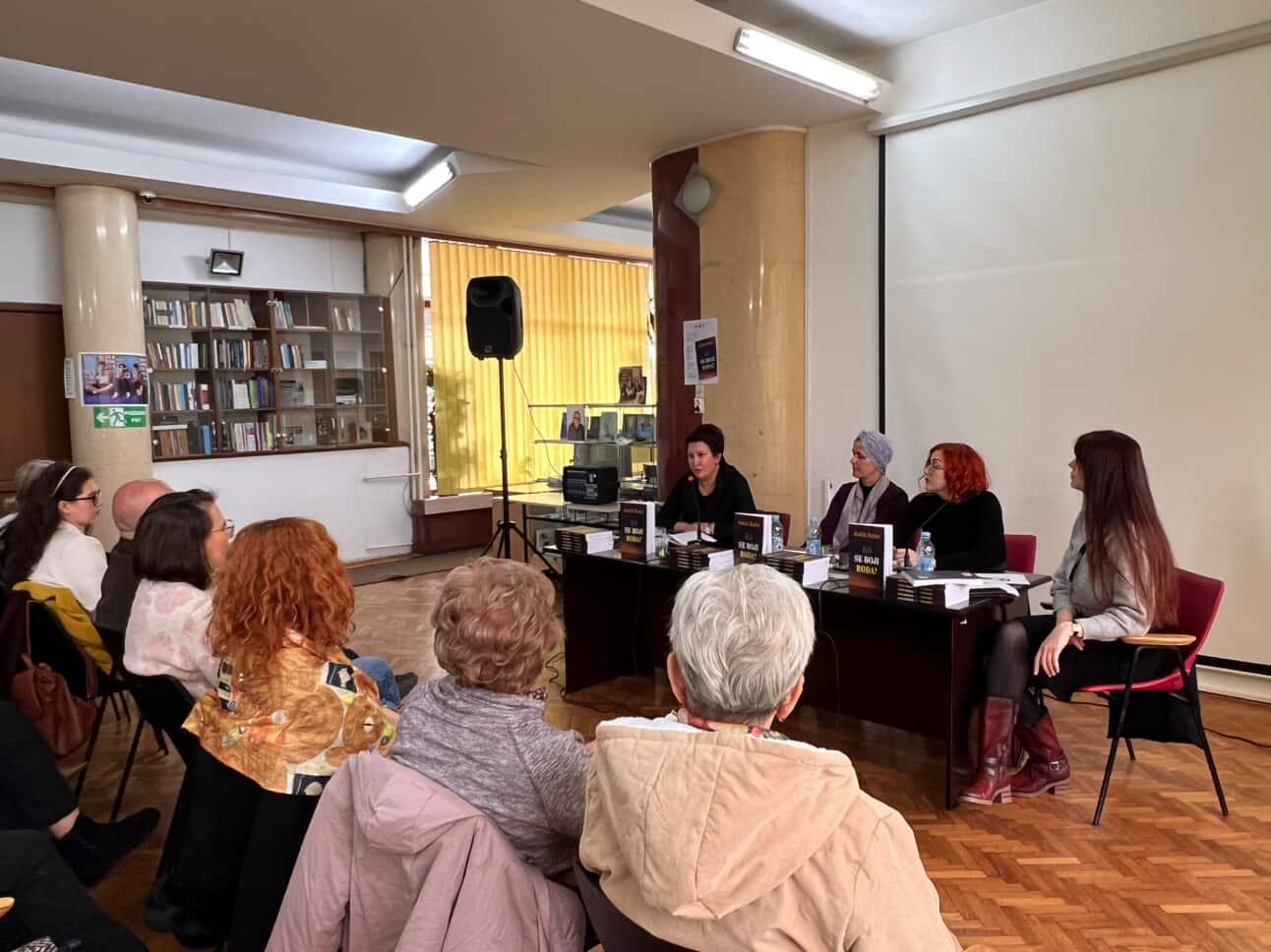
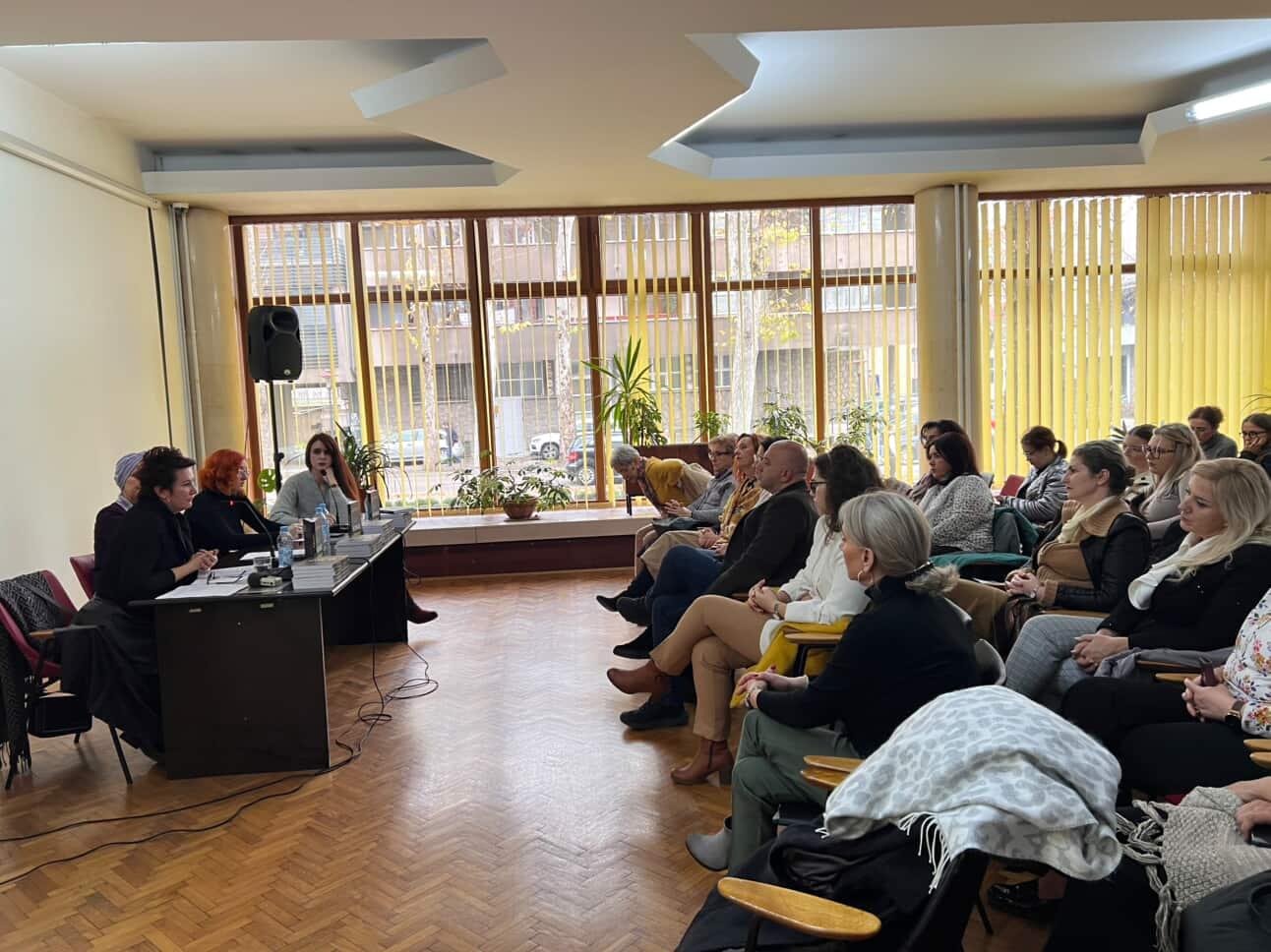
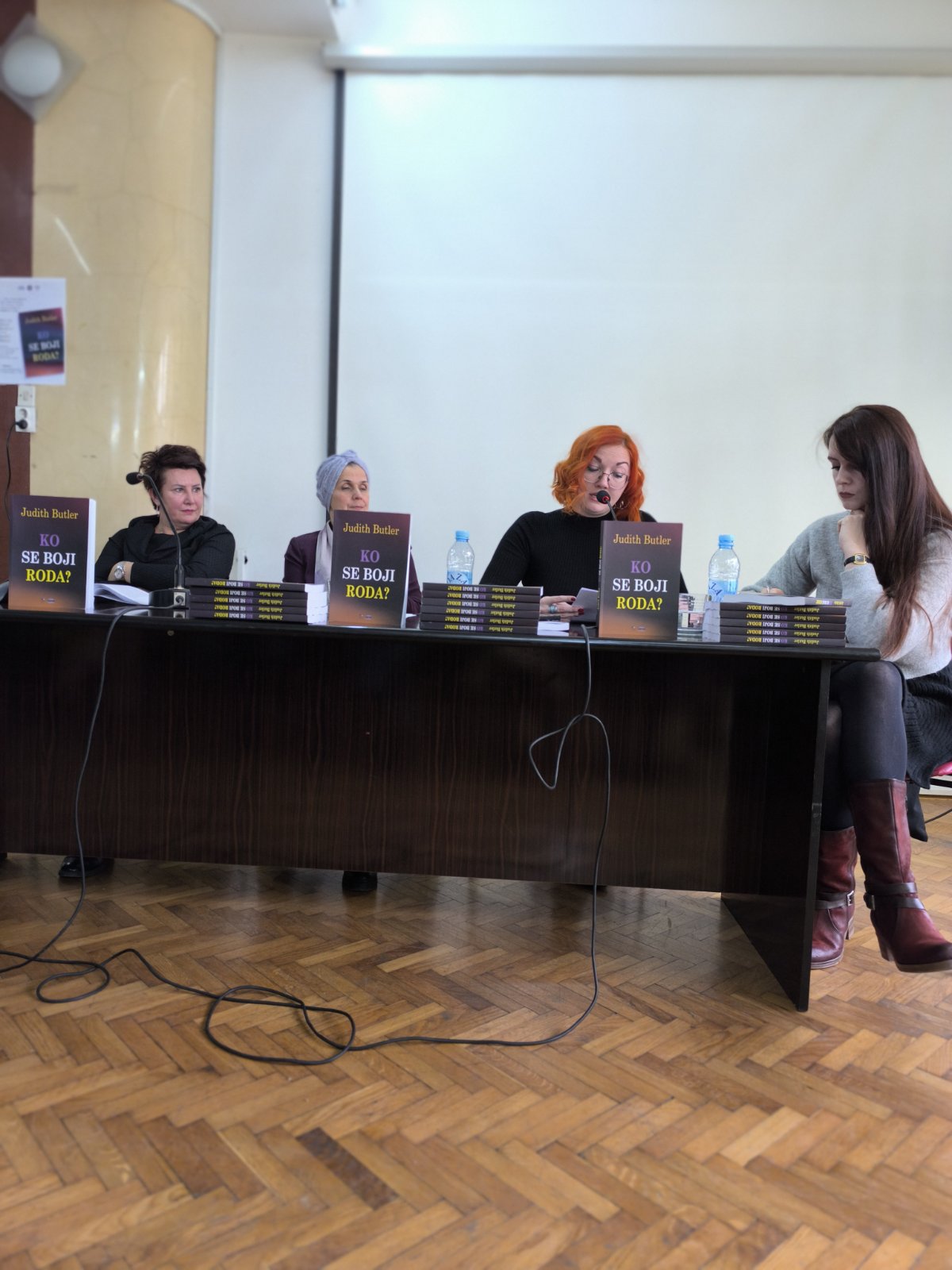
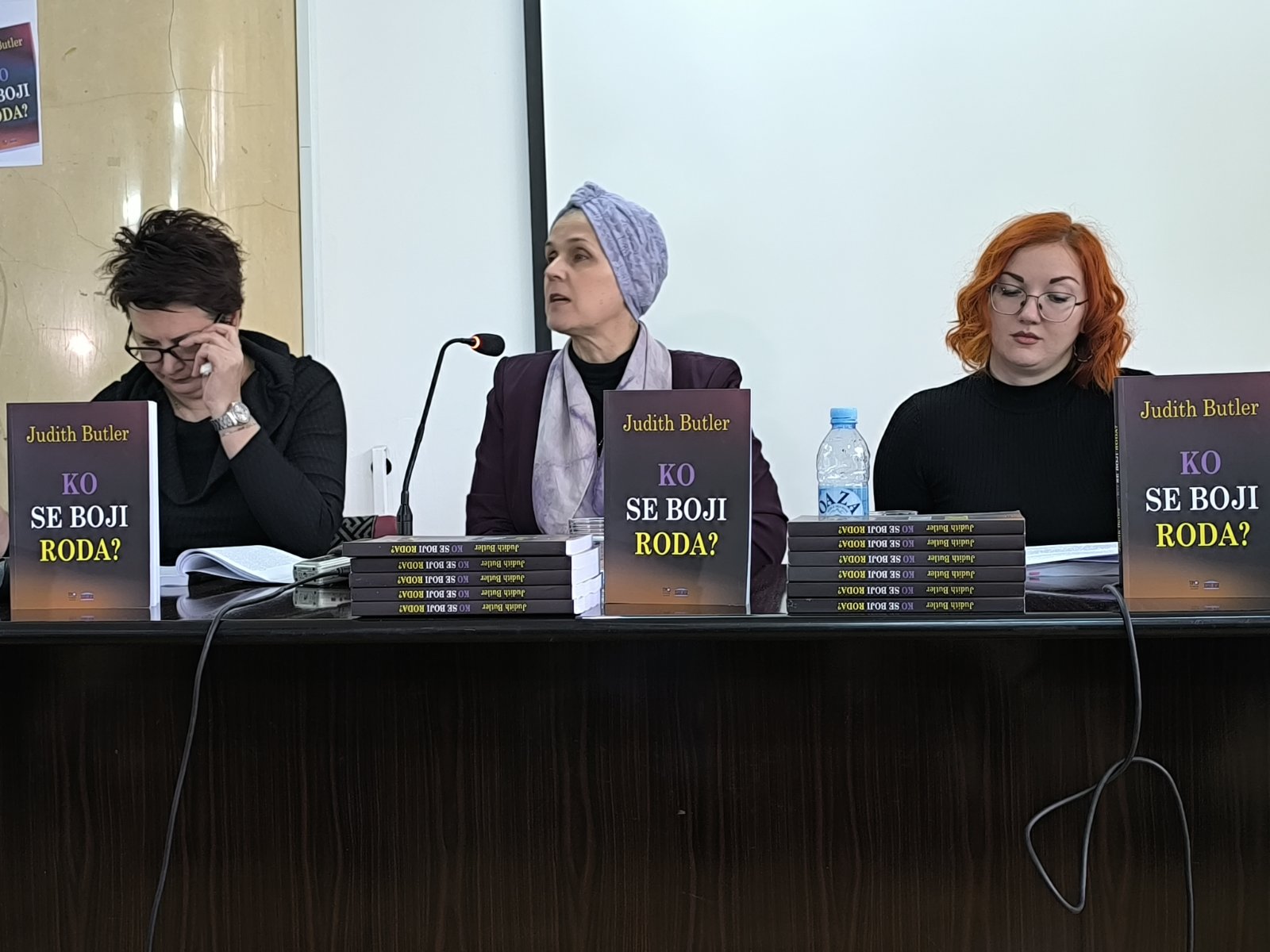
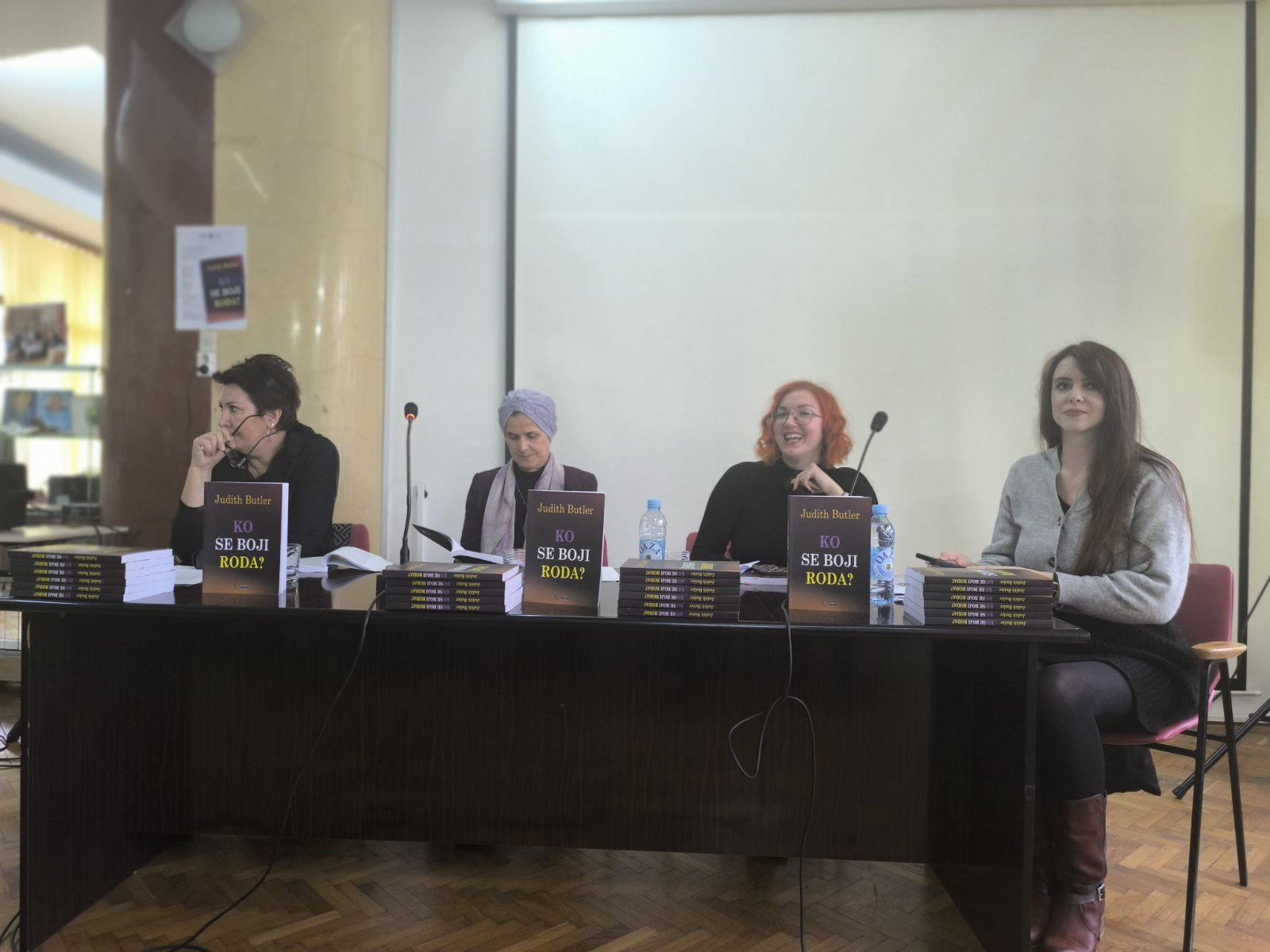
As part of the 16 Days of Activism against Violence against Women, TPO Foundation and UNIGEM Network held a book promotion on Wednesday, December 3, at the Zenica City Library. Who's afraid of storks? by Judith Butler.
Judith Butler is a long-standing and highly influential theorist of gender. Her earlier books redefined ideas about sex and gender, showing that gender is not a hard biological fact, but a social construct. A book Who's afraid of storks? is current in the context of global discussions about gender equality, trans rights and ideological divisions. It offers a theoretical-philosophical explanation of why gender conflicts occur. According to the author, the so-called fear of gender is often widely spread through religious, conservative and populist movements, and this fear is used as a tool to undermine human rights and maintain traditional norms. In the book, the author analyzes today's protests and resistance to gender studies, gender equality and LGBTQ+ rights. Reading the chapters, it becomes clear how much the term gender misused, how much it is used to scare people who then (ignorantly) agree to general conservatism around the world.
The promoters of the book were prof. Ph.D. Zilka Spahić-Šiljak, full professor at the Faculty of Philosophy of the University of Zenica on subjects related to gender, culture and identity, prof. Ph.D. Edisa Gazetić, full professor of literature at FF UNZE who is dedicated to researching the position of the female gender in Bosnian and South Slavic literature and culture, and Larisa Mahmić, MA, assistant in the language group of subjects at the Study Program Bosnian, Croatian, Serbian Language and Literature FF UNZE. The promotion was moderated by Azemina Krehić-Halilović, a second-year student of Bosnian, Croatian, Serbian language and literature at FF UNZE.
Prof. Ph.D. Zilka Spahić-Šiljak spoke about how and why the concept of gender is manipulated, why it is perceived as foreignness/otherness in the first place, and not only in societies that are in transition or are undeveloped democracies, but in those that were reputed to be liberal. Even in serious democracies, gender and gender ideology are more terrifying than environmental disaster or nuclear war.
Prof. Dr. Edisa Gazetić focused on the loss of freedom and rights that women have and are left without. She emphasized that anti-gender ideology is in some public sense directed at LGBTQ+ people, that the focus of the new fascists is homosexuality, but in the background of all this, some of the basic women's rights are being degraded again - the right to choose a lifestyle, the right to one's own body, the right to abortion.
Larisa Mahmić, MA presented the chapter "Foreign Terms or the Disruption of Translation" from a linguistic perspective, stating that the author explicitly speaks about linguistic ideology, the dynamics of translation, and the political consequences of semantic shifts.
A book was promoted that warns us all that the freedom of expression, the freedom to create an identity the way we want, can disappear and may be disappearing right now. We must not allow conservative ideologies to take a dominant role in the interpretation of gender and identity.